Understanding the Difference Between OEM and ODM Clothing Production
Choosing the right garment manufacturing model is one of the most important decisions for fashion brands, outdoor companies, and clothing startups.
Many brands have great product ideas but struggle with one key question:
Should we choose OEM garment manufacturing or ODM garment manufacturing?
The wrong choice can lead to:
- Higher development costs
- Longer production timelines
- Quality problems
- Communication issues
- Products that fail to match market expectations
Understanding the difference between OEM and ODM helps brands select the right manufacturing partner and reduce production risks.
What Is OEM Garment Manufacturing?
OEM (Original Equipment Manufacturing) means the brand provides the product concept, design, specifications, and requirements, while the manufacturer produces the garments according to the customer’s instructions.
In an OEM partnership:
The brand controls:
- Product design
- Fabric selection
- Measurements
- Technical specifications
- Labels and packaging
- Final product requirements
The manufacturer provides:
- Fabric sourcing support
- Pattern making
- Sample development
- Production management
- Quality control
- Bulk manufacturing
Who Is OEM Suitable For?
OEM manufacturing is ideal for:
Established Clothing Brands
Brands that already have:
- Their own designers
- Existing product lines
- Technical specifications
- Strong brand identity
Outdoor and Performance Brands
Companies developing:
- Waterproof jackets
- Softshell garments
- Sportswear
- Functional clothing
They often need precise control over fabric performance and garment construction.
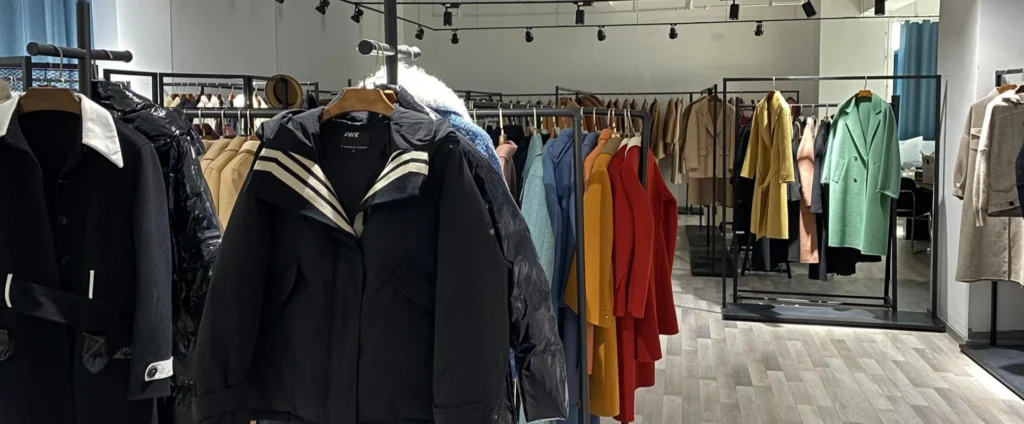
Brands With Unique Product Ideas
If your product requires specific:
- Fabrics
- Functional finishes
- Construction methods
OEM provides greater customization.
What Is ODM Garment Manufacturing?
ODM (Original Design Manufacturing) means the manufacturer provides existing designs, product development experience, or technical solutions that brands can customize and sell under their own brand.
In an ODM partnership, manufacturers usually support:
- Product design suggestions
- Fabric recommendations
- Sample development
- Style modification
- Production solutions
This allows brands to develop products faster without building a complete technical team.
Who Is ODM Suitable For?
ODM is often suitable for:
New Clothing Brands
Startups can benefit from:
- Faster product development
- Lower development costs
- Professional manufacturing experience
Brands Entering New Categories
For example:
A fashion brand expanding into:
- Outdoor apparel
- Workwear
- Sportswear
may need manufacturing expertise to avoid technical mistakes.
Companies Looking for Faster Market Launch
ODM reduces the time from concept to finished product.
OEM vs ODM: Which Manufacturing Model Is Better?
There is no single answer.
The right choice depends on your:
| Requirement | OEM | ODM |
|---|---|---|
| Full design control | ✓ | Limited |
| Faster development | Limited | ✓ |
| Custom fabrics | ✓ | ✓ |
| Lower development cost | Limited | ✓ |
| Technical support | Depends on supplier | ✓ |
| Unique product development | ✓ | Limited |
Many successful brands actually combine both approaches.
For example:
A brand may use ODM expertise during early development, then move toward OEM production after establishing its own product specifications.
How to Reduce Garment Manufacturing Risks
Regardless of choosing OEM or ODM, brands should focus on reducing production risks.
1. Choose a Manufacturer With Technical Experience
A good garment supplier should understand:
- Fabric performance
- Pattern development
- Sewing technology
- Quality standards
- Production challenges
Low-cost suppliers without technical knowledge often create expensive problems later.
2. Confirm Fabric Before Production
Many quality problems start with incorrect fabric selection.
Important factors include:
- Fabric composition
- Weight
- Stretch recovery
- Color fastness
- Functional finishing
For technical garments, fabric selection directly affects final product performance.
3. Control Sample Approval
Before bulk production:
- Confirm final samples
- Approve measurements
- Test garment performance
- Check workmanship
The approved sample should become the production standard.
4. Implement Quality Control
A reliable manufacturing process should include:
- Inline inspection
- Production monitoring
- Final inspection
- AQL quality standards
Quality should be controlled during production—not only after completion.
Why Choose CC Textile as Your Garment Manufacturing Partner?
CC Textile combines over 20 years of textile experience with experienced garment manufacturing partners to provide integrated fabric and garment solutions.
Learn more about our company and supply chain approach:
Our services include:
- Fabric sourcing and development
- Functional fabric solutions
- OEM garment manufacturing
- ODM product development
- Quality control management
- Global production support
We help brands avoid the common challenges of managing separate fabric suppliers and garment factories.
Connect With CC Textile
Follow our latest textile and garment solutions:
Conclusion
OEM and ODM garment manufacturing both provide valuable solutions for brands.
OEM offers maximum control and customization.
ODM provides faster development and professional manufacturing support.
The key is choosing a partner that understands both fabric technology and garment production.
With the right manufacturing partner, brands can reduce risks, improve product quality, and bring better clothing products to market faster.