TPU vs PU Fabric: Understanding the Right Choice for Functional Textiles
When brands develop waterproof and functional garments, one common question appears during fabric sourcing: TPU vs PU Fabric, which coating technology is more suitable for the final product?
Both TPU and PU coated fabrics are widely used in textile manufacturing. However, they offer different advantages in terms of durability, flexibility, cost, and application.
Choosing the right coating is not only about waterproof performance. It also affects product positioning, customer experience, production cost, and long-term reliability.
After years of working with fabrics and garment manufacturing, we have found that many product issues can be reduced when brands select the right material technology before bulk production begins.
This article explains the differences between TPU and PU coated fabrics and helps brands understand which solution may fit their product requirements.
Key Takeaway
TPU and PU are both useful coating technologies. The right choice depends on product performance requirements, target market, production quantity, and budget planning.
TPU vs PU Fabric: Quick Decision Guide for Buyers
Before comparing technical details, here is a simple way to evaluate the two options.
Need higher flexibility, durability, and technical performance?
→ TPU may be suitable for:
- Outdoor jackets
- Ski wear
- Technical apparel
- Performance products
Need reliable waterproof protection with better cost efficiency?
→ PU may be suitable for:
- Rain jackets
- Workwear
- Commercial outdoor products
- Large-volume projects
Not sure which coating fits your product?
A professional fabric supplier can help evaluate:
- Waterproof requirements
- Breathability targets
- Fabric construction
- Product application
- Cost expectations
The right choice should balance performance and commercial requirements.
TPU vs PU Fabric: Understanding the Basic Difference
TPU and PU are both polyurethane-based materials used to improve fabric performance.
However, their structures and manufacturing methods are different.
Understanding these differences helps brands make better sourcing decisions.
TPU vs PU Fabric: What Is TPU Coated Fabric?
TPU stands for Thermoplastic Polyurethane.
TPU is commonly used in applications that require flexibility, durability, and resistance to repeated movement.
In textile manufacturing, TPU is often used as a laminated film layer rather than only a surface coating.
This structure can influence:
- Fabric flexibility
- Hand feel
- Durability
- Waterproof performance
TPU coated and laminated fabrics are commonly used for:
- Outdoor jackets
- Ski apparel
- Hiking products
- Technical bags
- Performance garments
For products exposed to frequent movement and harsh conditions, TPU can provide a suitable performance solution.
TPU vs PU Fabric: What Is PU Coated Fabric?
PU stands for Polyurethane.
PU coating is one of the most commonly used waterproof textile technologies.
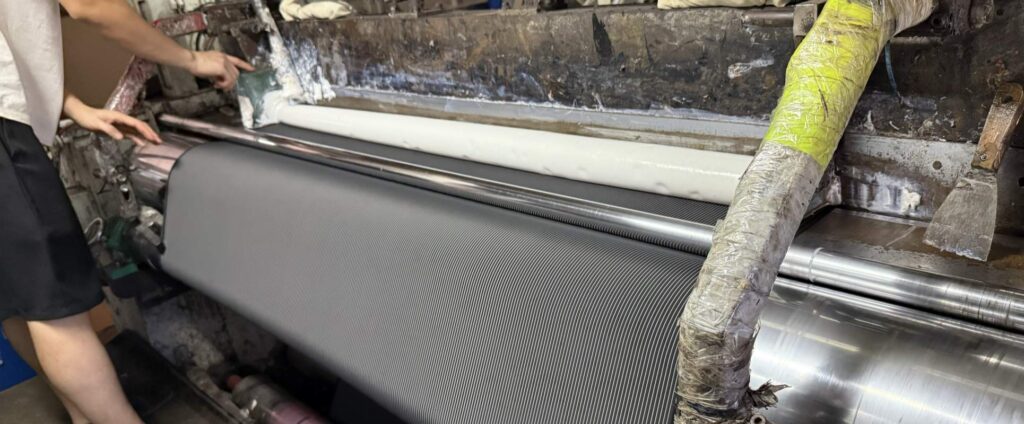
Unlike TPU film lamination, PU is often applied directly onto fabric surfaces through coating processes.
PU provides:
- Waterproof protection
- Lightweight construction
- Flexible processing options
- Competitive production cost
Because of its mature manufacturing technology, PU remains widely used for:
- Rainwear
- Workwear
- Casual outdoor clothing
- Bags
- Commercial waterproof products
TPU vs PU Fabric: Advantages of TPU Coated Fabric for Performance Products
TPU Provides Better Flexibility for Active Products
One important advantage of TPU is flexibility.
Outdoor and performance garments often require fabrics that can move naturally with the body.
For example, hiking jackets and ski garments need:
- Freedom of movement
- Comfortable hand feel
- Long-term durability
TPU laminated fabrics can provide a softer and more flexible experience for these applications.
TPU Offers Strong Resistance Against Abrasion and Moisture Aging
Outdoor products often face repeated friction and changing weather conditions.
TPU is commonly selected because it can provide good resistance against:
- Abrasion
- Bending stress
- Moisture exposure
Hydrolysis resistance is also an important consideration.
Hydrolysis refers to the gradual breakdown of material performance caused by moisture over time.
Because TPU has a different material structure, it can offer better resistance in applications where long-term moisture exposure is a concern.
TPU Supports Premium Product Positioning
For brands developing technical outdoor collections, fabric selection is part of the product value.
Customers often consider:
- Performance
- Durability
- Comfort
- Product lifespan
Therefore, TPU can be a suitable option when brands focus on higher-performance products.
TPU vs PU Fabric: Advantages of PU Coated Fabric for Cost-Effective Solutions
Although TPU provides strong performance characteristics, PU remains an important choice for many textile applications.
The reason is that PU offers a practical balance between waterproof performance, production efficiency, and cost control.
For many brands, especially those producing commercial outdoor products or large-volume collections, PU can meet product requirements without unnecessary material costs.
PU Provides Reliable Waterproof Performance
A common misunderstanding is that TPU is always more waterproof than PU.
In reality, waterproof performance depends on multiple factors, including:
- Coating thickness
- Fabric construction
- Lamination process
- Seam sealing
- Testing standards
A properly developed PU coated fabric can provide reliable waterproof performance for many applications.
Therefore, the coating choice should be based on the final product requirements rather than only the material name.
PU Is Suitable for Cost-Sensitive Production
For brands managing large production volumes, cost planning is an important factor.
PU coating generally provides a more economical solution compared with TPU.
This makes PU suitable for:
- Workwear collections
- Rain jackets
- Promotional outdoor products
- Commercial waterproof garments
By selecting the right PU coating grade, brands can maintain product performance while controlling production costs.
Example: Choosing PU for a Large-Volume Project
A workwear customer needed waterproof fabric for a large production order.
Their main requirements were:
- Reliable waterproof performance
- Stable bulk production
- Controlled production cost
After reviewing the product requirements, a suitable PU coated fabric was selected because it provided the required performance while supporting the customer’s cost target.
The decision was not based on choosing the most advanced material.
It was based on choosing the right material for the actual application.
TPU vs PU Fabric: Cost Comparison and Performance Balance
Cost is one of the most common questions during fabric sourcing.
Generally, TPU solutions have a higher material and processing cost, while PU provides a more cost-efficient option.
However, fabric cost should always be evaluated together with product requirements.
| Feature | TPU Coated / Laminated Fabric | PU Coated Fabric |
|---|---|---|
| Material Cost | Higher | More competitive |
| Flexibility | Excellent | Good |
| Abrasion Resistance | High | Good |
| Durability | High | Good |
| Waterproof Performance | Excellent | Good |
| Production Cost | Higher | Lower |
| Suitable Market | Technical / Premium Products | Commercial / Cost-sensitive Products |
A lower fabric price does not always mean a lower total product cost.
If a fabric does not meet performance expectations, additional costs may appear through:
- Quality complaints
- Rework
- Replacement production
- Delivery delays
The goal is to find the right balance between performance and budget.
TPU vs PU Fabric: Which Option Do European and US Brands Prefer?
European and US brands usually evaluate coating technology based on product positioning.
Different market segments have different priorities.
Outdoor and Technical Brands Often Consider TPU
Brands developing:
- Ski jackets
- Hiking apparel
- Technical outdoor products
- Performance garments
often pay more attention to:
- Durability
- Flexibility
- Long-term performance
For these applications, TPU can be a suitable solution.
Commercial Brands Often Select PU
For products where price control and production volume are important, PU remains widely used.
Examples include:
- Rainwear
- Workwear
- Entry-level outdoor products
In these categories, PU can provide a good balance between function and cost.
TPU vs PU Fabric: How Should Brands Choose the Right Coating?
Before selecting TPU or PU, brands should evaluate several important factors.
1. Product Application
First consider how the final product will be used.
A jacket for professional outdoor activities requires different performance compared with a simple rain jacket.
2. Required Testing Standards
Brands should define performance requirements before fabric development.
Common tests include:
- Hydrostatic pressure resistance
- Breathability
- Color fastness
- Abrasion resistance
- Washing durability
A fabric supplier should recommend materials according to these requirements.
3. Target Customer and Price Position
A premium outdoor brand and a mass-market brand usually have different priorities.
Premium products may focus on:
- Performance
- Durability
- User experience
Commercial products may focus on:
- Cost efficiency
- Production stability
- Market pricing
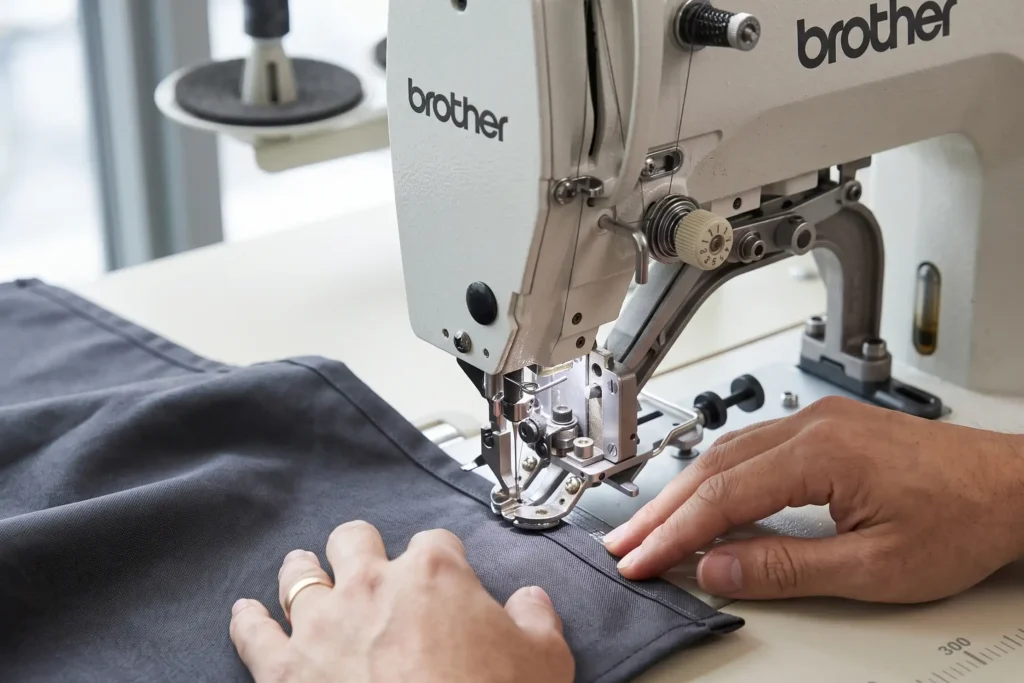
4. Garment Manufacturing Process
Fabric selection should also consider the garment production process.
For example:
- Sewing requirements
- Seam taping
- Cutting performance
- Final garment testing
A fabric that looks suitable in the beginning must also perform well during garment production.
TPU vs PU Fabric: How CC Textile Helps Brands Select the Right Solution
At CC Textile, we understand that choosing fabric technology is not only a material decision.
It is a product development decision.
Based on each project, we help brands evaluate:
- Fabric construction
- Coating technology
- Waterproof requirements
- Breathability targets
- Production cost
- Final application
Our functional fabric solutions include:
- TPU laminated fabrics
- PU coated fabrics
- Waterproof fabrics
- Stretch woven fabrics
- Technical textile solutions
Before bulk production, we can support:
- Fabric development
- Lab Dip approval
- Performance testing
- Sample confirmation
- Production follow-up
Our goal is to help brands reduce unnecessary risks and select a fabric solution that matches their product goals.
Frequently Asked Questions
Is TPU better than PU coated fabric?
Not necessarily.
TPU can provide advantages in flexibility, durability, and technical performance. PU can provide reliable waterproof performance with better cost efficiency for many applications.
The right choice depends on the product requirements.
Is TPU fabric more expensive than PU?
Generally, TPU coated or laminated fabrics have a higher production cost.
However, the additional investment may be suitable for products requiring higher durability and performance.
Which coating is better for waterproof jackets?
It depends on the jacket type.
Technical outdoor jackets may benefit from TPU solutions, while commercial rain jackets may use PU successfully.
Does PU fabric have good waterproof performance?
Yes.
A properly developed PU coated fabric can provide reliable waterproof protection when the coating structure and testing requirements are correctly controlled.
How can brands choose a waterproof fabric supplier?
Brands should work with suppliers who understand:
- Fabric technology
- Coating processes
- Testing requirements
- Garment production
A supplier should provide technical recommendations instead of only offering prices.
Conclusion
Choosing between TPU and PU coated fabric is not simply about selecting the more advanced material.
The right choice depends on:
- Product application
- Performance requirements
- Target market
- Production budget
TPU can be suitable for technical products that require flexibility and durability.
PU can be suitable for products that require reliable waterproof performance with better cost control.
At CC Textile, we support brands in selecting functional fabric solutions based on real product requirements. From fabric development to garment manufacturing, our team helps customers evaluate materials, production processes, and quality expectations.
Explore our Functional Fabrics collection or contact our OEM Garment Manufacturing
team to manage your product development and production workflow.
You can also learn more about our manufacturing experience through our About Us page.
We regularly share fabric knowledge and textile development insights on:
LinkedIn:
https://www.linkedin.com/in/cc-textile/
Facebook:
https://www.facebook.com/cctextileltd
OEKO-TEX® Textile Safety Standards
https://www.oeko-tex.com/
SGS Textile and Apparel Testing
https://www.sgs.com/en/our-services/textiles-and-apparel
Intertek Textile Testing Services
https://www.intertek.com/textiles/