

For most apparel brands, delivery delays are more than an inconvenience.
A delayed shipment can postpone a product launch, disrupt seasonal sales, increase logistics costs, and affect relationships with retailers.
When an order misses its delivery date, the factory is often blamed.
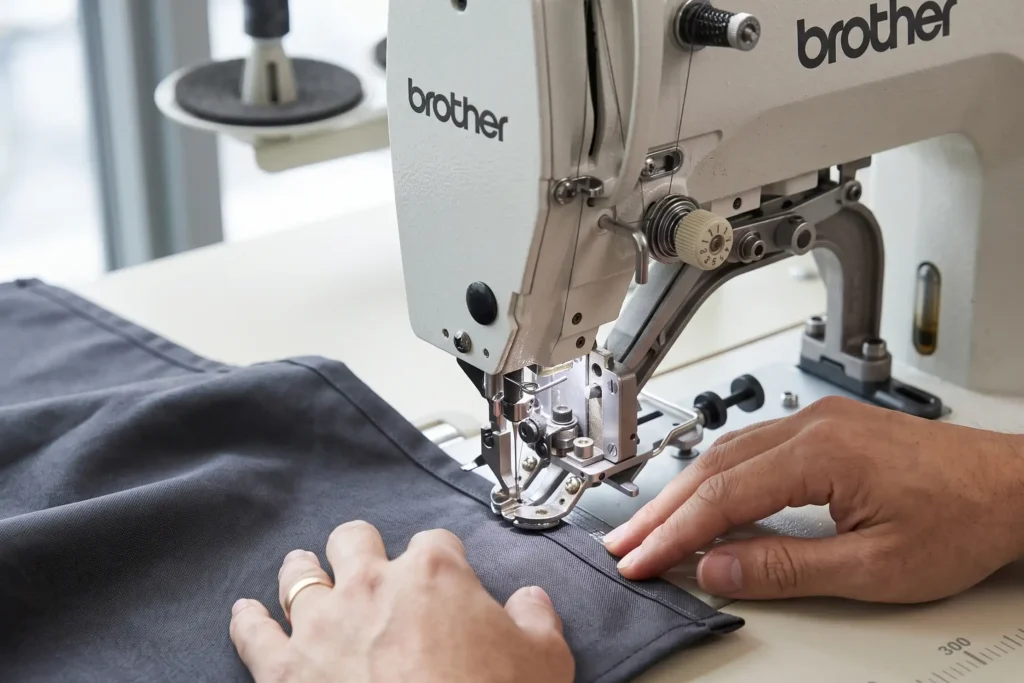
But after working with fabric development and garment production for many years, we’ve found that most apparel production delays don’t begin on the sewing line.
They begin much earlier.
A fabric is approved later than expected.
One trim supplier misses a deadline.
A sample goes through another revision.
Information doesn’t reach the next supplier in time.
Each delay seems small on its own.
Together, they become one missed delivery date.
Understanding where apparel production delays really start is the first step toward preventing them.
Most Apparel Production Delays Begin Before Bulk Production
By the time a factory reports a production delay, the schedule has often been slipping for weeks.
Fabric may still be in development.
Accessories may not have arrived.
Samples may still be waiting for approval.
Production capacity may already have been adjusted.
Although none of these issues appears serious individually, they gradually reduce the available production time until meeting the original delivery date becomes impossible.
Fabric Is Usually the First Bottleneck
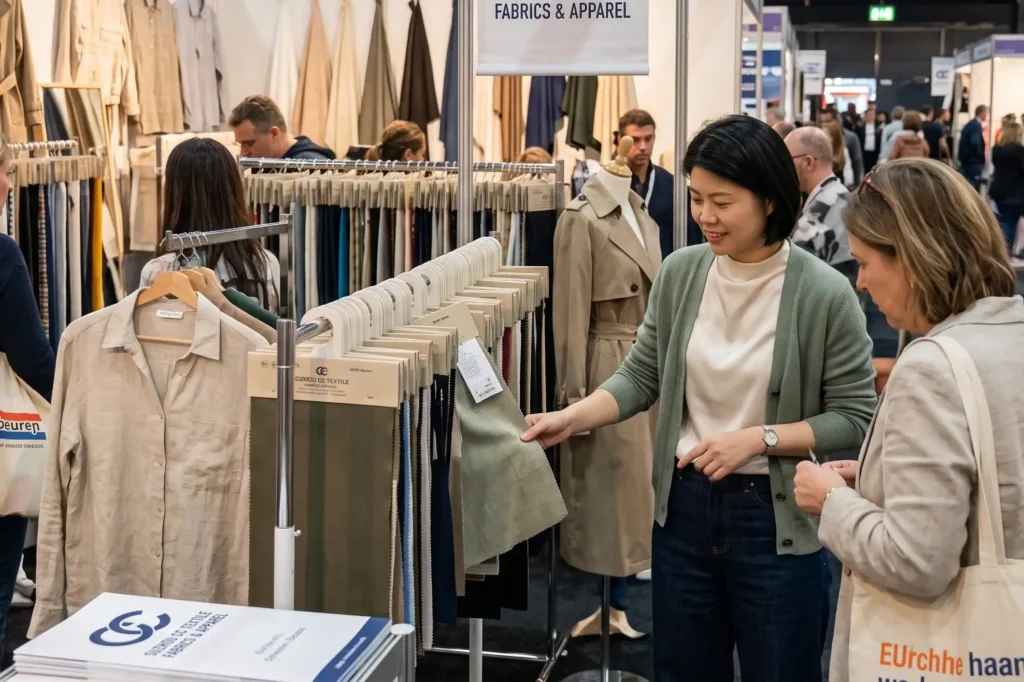
Fabric is the starting point of every garment.
If the fabric is delayed, every following process must wait.
Fabric Development Often Takes Longer Than Expected
Performance fabrics frequently require multiple lab dips, colour approvals, waterproof testing, or customer evaluations before bulk production can begin.
Each additional revision extends the schedule.
Early confirmation of specifications helps reduce unnecessary delays later.
Last-Minute Changes Affect the Entire Timeline
Changing colours, finishes, or fabric construction after production planning has already started often causes delays that affect every following process.
Stable specifications create stable production schedules.
Small Trims Can Create Big Delivery Delays
One missing accessory can stop an entire production line.
Common examples include:
- Waterproof zippers
- Reflective tapes
- Heat transfer logos
- Buttons
- Elastic cords
- Labels
- Hangtags
Although these components represent only a small percentage of the garment cost, production often cannot continue until every required trim has arrived.
For this reason, trim management is just as important as fabric management.
Sample Approval Is More Than a Design Process
Every sample revision affects the production schedule.
A sleeve length changes.
A pocket position is adjusted.
A logo is updated.
The fabric is replaced.
Each decision may require new sampling, additional approvals, or revised production planning.
The earlier key decisions are finalised, the easier it becomes to maintain the delivery schedule.
Poor Production Planning Creates Hidden Risks
Even when all materials are available, delays can still happen.
Factories often schedule multiple customer orders simultaneously.
If one project falls behind, production capacity may need to be reallocated.
Without realistic planning and regular progress reviews, a small delay can quickly affect several production lines.
Communication Gaps Are One of the Biggest Causes of Apparel Production Delays
One supplier is waiting for fabric.
Another is waiting for approved artwork.
The inspection company hasn’t received the production schedule.
The freight forwarder is still waiting for the shipping date.
Everyone believes someone else is responsible.
Meanwhile, valuable production time is disappearing.
In many projects, delivery delays are communication problems rather than manufacturing problems.
A Real Case: One Small Trim Delayed an Entire Shipment
A customer once planned to launch a new outdoor jacket before the autumn selling season.
Fabric production finished on time.
Bulk sewing had already been scheduled.
Everything appeared to be running according to plan.
Then one small component became the problem.
The reflective heat-transfer logo arrived one week later than expected.
Without that logo, the customer would not approve shipment.
The factory had finished almost every garment, but production could not be completed.
The finished jackets remained in the warehouse while everyone waited for a component that represented less than one percent of the garment’s total cost.
The final shipment was delayed by nearly two weeks.
The problem wasn’t fabric quality.
It wasn’t sewing quality.
It wasn’t factory capacity.
It was a supply chain coordination issue.
Experiences like this remind us that successful delivery depends on managing every supplier—not only the largest one.
How to Reduce Apparel Production Delays
Keeping projects on schedule isn’t about asking factories to work faster.
It’s about identifying potential delays before they affect production.
Experienced sourcing teams usually focus on four key areas.
Confirm Fabric Early
Finalise fabric specifications before production planning begins.
Late fabric changes often affect every following process.
Keep Sampling Efficient
Reduce unnecessary revision cycles by keeping communication clear during sample development.
Monitor Production Progress
Don’t wait until the planned shipping date to discover problems.
Regular production updates allow issues to be solved earlier.
Complete Inspection Before Shipment
Quality inspections completed before shipment reduce rework and prevent avoidable delivery delays.
Why One Coordinated Supply Chain Works Better
Many brands still manage separate suppliers for fabric, garment manufacturing, inspection, and shipping.
Although this approach can work, it also increases communication complexity.
An integrated supply chain keeps every stage connected.
Instead of coordinating multiple independent suppliers, brands work with one partner managing the complete process.
The workflow becomes much simpler.
Fabric
↓
Sampling
↓
Production
↓
Inspection
↓
Shipping
Better communication leads to faster decisions.
Faster decisions reduce unnecessary delays.
How CC Textile Helps Reduce Apparel Production Delays
At CC Textile, we believe that on-time delivery starts long before bulk production.
Rather than managing only one stage of the project, we coordinate the complete process, including:
- Functional fabric development
- Fabric sourcing
- Sample development
- Garment manufacturing
- Quality inspection
- Shipping coordination
Managing every stage together improves visibility, reduces communication gaps, and helps minimise apparel production delays before they become delivery problems.
Learn more about our garment manufacturing services:
Discover more about our company:
We regularly share sourcing insights, fabric knowledge, and production experience on LinkedIn:
https://www.linkedin.com/in/cctextile
Conclusion
Most apparel production delays don’t happen overnight.
They begin with small issues that are overlooked during development, sampling, material sourcing, or communication.
The good news is that most of these delays are preventable.
When fabric development, sampling, production, inspection, and shipping are managed as one connected process, brands gain better visibility, make faster decisions, and reduce delivery risks.
Keeping production on schedule isn’t about working faster.
It’s about managing the supply chain more effectively from the very beginning.

A must-read for anyone in apparel sourcing! Very clear explanation of where delays actually come from and how to prevent them. Thanks for the valuable tips, CC Textile team!
Spot on! People often blame the factory, but delays almost always start way earlier during fabric or trim approval. Clear communication and early material confirmation really are the keys to on-time delivery. Loved the breakdown!