
What Every Outdoor Brand Should Ask Before Buying PFAS-Free Fabrics
As PFAS regulations become stricter across Europe and North America, more outdoor brands are requiring PFAS-free waterproof fabrics for new product development.
Today, almost every supplier claims they can provide C0 PFAS-free DWR.
But one important question remains:
How can you verify that a supplier can consistently deliver compliant fabrics—not just provide one good laboratory report?
Choosing a PFAS-free fabric supplier is no longer just about waterproof performance.
It is also about quality management, traceability, supplier control, and production consistency.
Don’t Ask “Is It 100% PFAS-Free?”
One of the biggest misunderstandings in today’s market is the phrase:
“Is your fabric 100% PFAS-free?”
In reality, professional textile manufacturers rarely make absolute claims like this.
Instead, compliance is normally evaluated against customer or regulatory limits.
For many international brands, the common acceptance criteria are:
- Individual PFAS: < 25 ppb
- Total PFAS: < 250 ppb
Responsible suppliers should explain how their fabrics comply with these limits rather than making unrealistic marketing promises.
A Test Report Is Important—But It Isn’t the Whole Story
A recent third-party laboratory report provides valuable evidence that a fabric met the required PFAS limits at the time of testing.
However, buyers should also ask:
- Was the report issued by an independent laboratory?
- Does it represent bulk production or only one sample?
- Can the supplier maintain the same quality for every production batch?
- What happens if a future batch does not meet the agreed requirements?
A test report demonstrates one successful result.
A quality management system demonstrates consistent production.
Quality Starts Long Before Laboratory Testing
Many buyers focus on the final test report.
Experienced manufacturers focus on controlling risk before testing even begins.
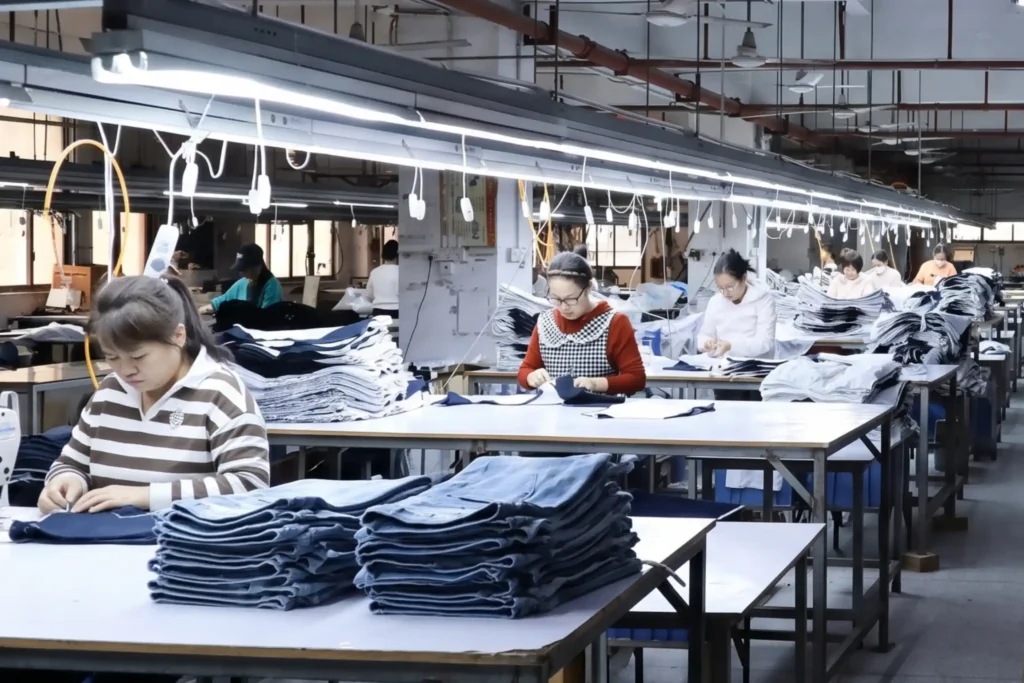
Fabric Inspection
Every fabric roll should be inspected before shipment.
Keeping retained samples from each dye lot, production batch, and fabric roll provides complete traceability if questions arise later.
Raw Material Selection
PFAS risk should be controlled from the very beginning.
This includes:
- Yarn selection
- Weaving
- Dyeing
- Finishing
- Coating materials
Using clean process water and maintaining controlled production conditions further reduces unnecessary contamination risks.
Supplier Qualification
A PFAS-free fabric depends on more than one manufacturer.
Yarn suppliers, dye manufacturers, coating suppliers, adhesive suppliers, and TPU suppliers all play a role.
Professional manufacturers should require compliance declarations from these suppliers and maintain complete traceability throughout the supply chain.
Batch Consistency Matters More Than One Good Sample
Passing one laboratory test is only the first step.
Brands need confidence that every production batch performs consistently.
Reliable suppliers typically implement:
- Internal quality inspections for every production batch
- Roll-by-roll inspection
- Batch traceability
- Third-party laboratory testing when required
If a production batch fails to meet the agreed specification, it should never be shipped.
Consistency is what protects both the supplier and the customer.
Questions Every Buyer Should Ask Before Ordering PFAS-Free Waterproof Fabrics
Before approving a supplier, consider asking:
- Which PFAS limits do your fabrics comply with?
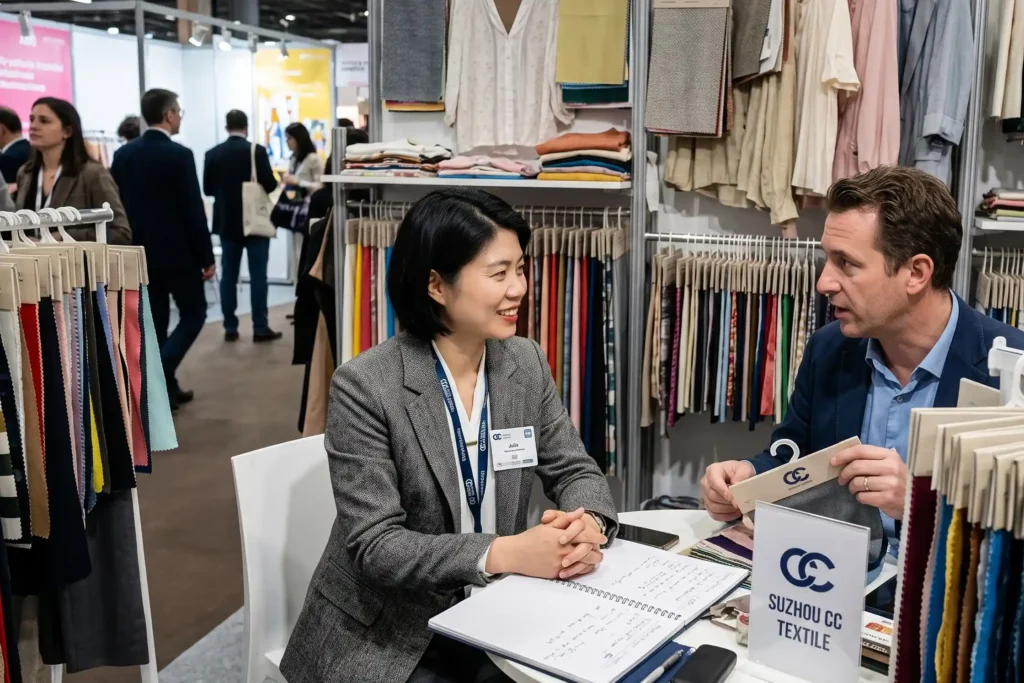
- Can you provide recent third-party test reports?
- How do you control PFAS risks during production?
- Are your suppliers required to provide compliance declarations?
- Can every production batch be traced?
- Can third-party testing be arranged before shipment?
These questions often reveal far more than simply asking whether a fabric is PFAS-free.
How CC Textile Supports PFAS Compliance
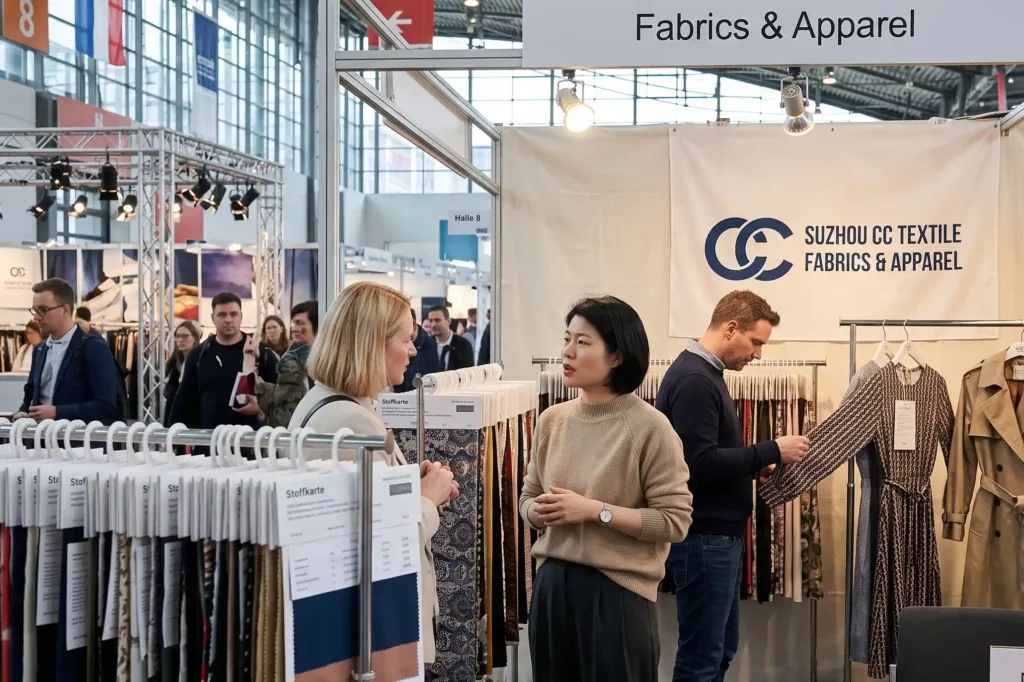
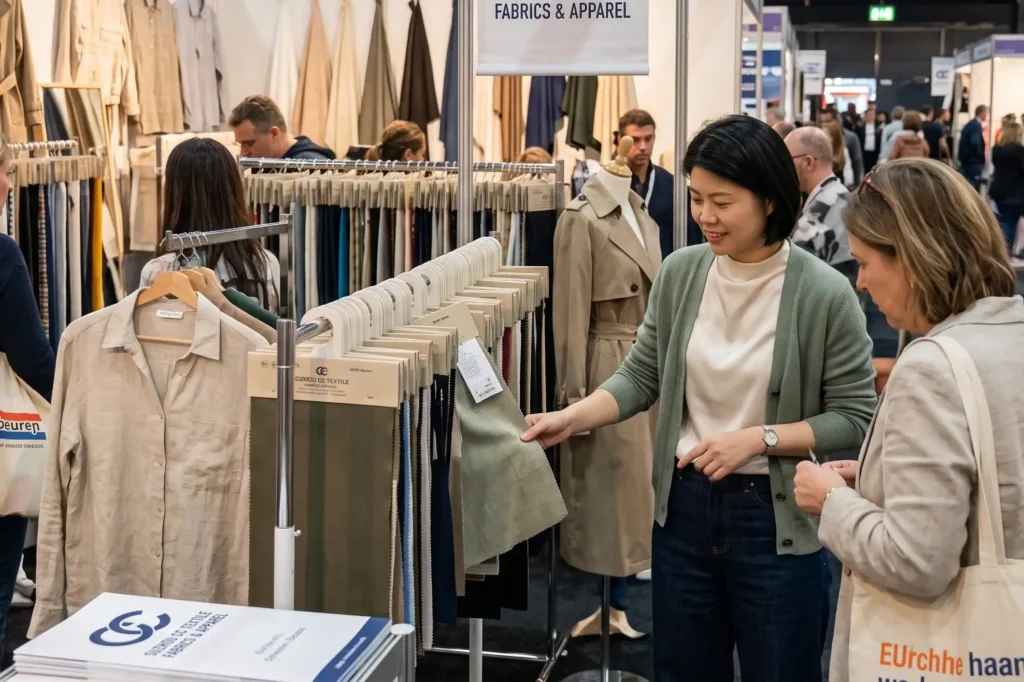
At CC Textile, we manufacture waterproof woven fabrics including:
- Polyester with PU coating
- Polyester with TPU lamination
- Nylon (Polyamide) with PU coating
- Nylon (Polyamide) with TPU lamination
- C0 PFAS-Free DWR finishes
Rather than making absolute claims, we manufacture fabrics to meet customer-required PFAS limits and support independent third-party verification whenever requested.
Our quality management system includes:
- Roll-by-roll fabric inspection
- Batch traceability
- Controlled raw material sourcing
- Supplier compliance management
- Internal quality control before shipment
- Third-party testing upon request
Learn more about our experience on our About Us page:
We also share textile knowledge and product updates on:
LinkedIn:
https://www.linkedin.com/in/cc-textile/
Facebook:
https://www.facebook.com/cctextileltd
Conclusion
As PFAS regulations continue to evolve, selecting a fabric supplier is no longer just about price or waterproof performance.
It is about choosing a partner with transparent quality systems, reliable traceability, and consistent production control.
A laboratory report can verify one fabric sample.
A robust quality management system helps ensure every shipment meets the same standard.

good